Dada One Happy Dude Birthday: A Designer's Honest Take
When a design like Dada One Happy Dude Birthday lands on my screen, my mind instantly shifts from a digital preview to a stitched reality. I’m not just looking at a graphic; I’m evaluating a potential embroidery project. As someone who designs and stitches for clients, craft fairs, and my own shop, my first question is always: how will this actually perform when the needle hits the fabric?
The Immediate Mood & Visual Personality
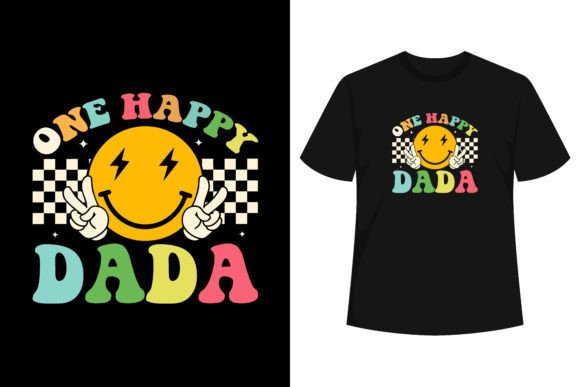
This design radiates a playful, celebratory vibe. The “Happy Dude” theme, paired with the “Dada One” header, feels warm and personal. It’s not a generic birthday graphic; it has a specific, affectionate character. The layout suggests a focal statement—perfect for creating a central, embroidered feature on a garment or gift. The detail level appears clean and graphic, which is excellent news for embroidery. Sharp, distinct shapes and lettering typically translate well into stitches, avoiding the muddy look that can happen with overly intricate embroidery designs on certain fabrics.
Where This Design Naturally Belongs
I can immediately picture this on a cozy, heavyweight sweatshirt for a dad’s birthday, becoming a cherished, personal piece of custom apparel. But its application is broader. Imagine stitching it onto a canvas tote bag for a gift that gets used daily, or as a sweet, small motif on a baby embroidery item like a romper for a “dada’s little dude.” It would make a fantastic embroidered patch, allowing for versatility. I’ve also mentally placed it on a kitchen apron or a pillow cover for a family room—projects where the text becomes a decorative and meaningful accent.
For Etsy sellers and small shop owners, this design taps into the evergreen market of personalized gifts. A finished product with this embroidery feels thoughtful, not mass-produced, which enhances customer trust and the perceived value of your handmade product.
Performance in Real-Life Stitching Scenarios
Let’s walk through a typical scenario. Say I’m preparing a custom birthday sweatshirt for a client. My practical judgment kicks in. The bold, likely block-style lettering of “Happy Dude” should handle satin stitch or a solid fill stitch beautifully, creating crisp, readable text. The overall design seems to have open areas, which is a relief for stitch density. Dense, packed designs can be challenging on stretchy fabrics like t-shirts or can cause puckering on thinner materials. This one looks balanced.
For dark fabric backgrounds, I’d plan thread colors with high contrast—bright whites or vibrant shades—to maintain that celebratory clarity. On textured fabrics like a sweater or a blanket, the design’s clear shapes should still hold up well, provided I use the correct stabilizer. However, I’d be cautious on very thin fabric without proper stabilization, as any design can distort.
A special note for caps or curved surfaces: the design’s likely horizontal layout would need careful placement to fit the curved panel, but the theme is so fitting for a dad’s hat it’s worth the extra layout attention.
Where to Use With Extra Care
My designer instinct flags a couple of points. Any small lettering within “Dada One” or other details must be checked in a test stitch. Tiny lettering can blur if the embroidery file isn’t optimized for small sizes. I would not attempt this in a very small hoop size if the design is large; scaling it down too much could lose detail integrity. For products needing frequent washing, like kitchen towels or baby items, I’d ensure the stitch structure is secure and maybe even consider a slightly denser fill for durability.
Impact on Your Project & Business
From a commercial perspective, a well-embroidered product using Dada One Happy Dude Birthday elevates its visual appeal. It looks professional and intentional. That stitching clarity directly impacts product value and buyer engagement. A customer sees a clean, joyful design and connects with the emotion behind it—perfect for holiday embroidery gifts or personalized gifts year-round.
For creative entrepreneurs, using such a theme-focused design helps with brand consistency if your shop specializes in family-centric or celebratory items. It’s highly “giftable,” which is a powerful driver for sales in craft business settings like fairs or online shops. When photographed for Etsy listings or printable mockups, the embroidered result should present strongly, attracting recognition and clicks.
Essential Designer Notes Before You Stitch
Before committing this to a client’s item or your own small shop merchandise, here’s my non-negotiable checklist. First, always test the design on scrap fabric first. Use the same fabric and stabilizer you plan for the final project. This reveals everything: how the thread colors really look, whether stitch density causes fabric pull, and if any detailed corners stitch cleanly.
Check thread color contrast by viewing the design in simple black and white mockups. Does the pattern hold its form? Compare how it would look on both light and dark fabric backgrounds. Confirm the hoop size required matches your machine capabilities and the product size. Inspect the design file itself—if details are provided, review them. If not, you must confirm licensing before selling finished items. Is this digital embroidery file cleared for commercial embroidery use, or only for personal projects? This is a critical step for digital product sellers and anyone selling the physical finished product.
Finally, think about the product lifecycle. If you’re creating a boutique product like a decorative pillow, the design is a permanent accent. If it’s on apparel, consider wear and care. A successful embroidery project hinges on this upfront practical thinking, not just the initial charm of the graphic.
The Final Verdict for Makers
Dada One Happy Dude Birthday strikes me as a design with strong practical potential for makers. Its clear theme and likely straightforward composition make it a reliable choice for a range of embroidery projects. It creates mood and connection, which is half the battle in the handmade market. The other half is technical execution. By approaching it with a designer’s critical eye—testing, planning for fabric type, and verifying usage rights—you can transform this T-Shirt Design graphic into a beautiful, durable, and valuable design asset for your craft.